
The Cognitive Benefits of Word Searches for Children
Engaging in word search puzzles offers numerous cognitive benefits for children, enhancing various mental capacities that are essential for language development. One prominent advantage is the improvement of problem-solving abilities. When children tackle a word search, they must not only find specific words but also strategize their approach for locating letters, identifying patterns, and developing methods to solve the puzzle efficiently. This process encourages them to think critically about the layout of the letters and the placement of words, which bolsters their analytical skills.
Additionally, word searches facilitate pattern recognition. Children are often tasked with identifying shapes and sequences of letters that create meaningful words. This activity trains their brains to recognize familiar configurations, fostering the ability to decipher new words more effectively. Pattern recognition is a crucial skill as it lays the groundwork for learning phonics and improves reading fluency, which in turn aids in spelling accuracy.
The mental exercises provided by word searches are not merely entertaining; they promote critical thinking skills. Deciphering puzzles requires children to allow their minds to explore different possibilities. Such flexibility in thought is pivotal, as it encourages them to make connections between words they already know, expanding their vocabulary. Moreover, the act of critically evaluating their strategies and choices when approaching the puzzles aids in developing cognitive resilience.
In essence, the immersive nature of word searches combines fun with critical developmental exercises. By regularly engaging in these puzzles, children not only enjoy themselves but also enhance their cognitive capabilities. This dual benefit of entertainment and education solidifies the importance of incorporating word searches into vocabulary-building activities that support spelling skills.
Age-Appropriate Word Searches: Tailoring Activities for Different Learning Stages
Word search activities can be a invaluable tool for enhancing vocabulary and spelling skills, but their effectiveness largely depends on their alignment with the developmental stages of the children participating. It is crucial to tailor these activities for children ranging from toddlers to teenagers, ensuring they are suitably challenging yet accessible.
For toddlers, early exposure to vocabulary through word searches can be introduced using simple terms. Word searches in this category might include basic, commonly used words such as “cat,” “dog,” and “car.” These puzzles can consist of fewer letters and a smaller grid, allowing young learners to familiarize themselves with letter recognition and spelling fundamentals. Activities can also incorporate pictures alongside words, offering a visual context that aids comprehension.
As children progress to preschool and early elementary stages, word searches can incorporate more complex vocabulary. Here, educators and parents should strive for words that align with the child’s daily experiences and broader subject matters, such as animals, colors, or shapes. Including a mix of familiar and slightly challenging vocabulary enriches the reading experience, promoting confidence as they develop their spelling skills further.
For older elementary and middle school students, word searches can serve as a reinforcement tool for academic subjects, like science, geography, or literature. Vocabulary related to specific themes or academic curriculum can be seamlessly integrated into engaging word searches. At this stage, activities can also promote critical thinking by including synonyms and antonyms, enhancing word recognition in a more profound context.
In conclusion, tailoring word search activities to different age groups not only fosters engagement but also promotes effective vocabulary development and spelling proficiency. By carefully considering the vocabulary levels and learning stages, parents and educators can create meaningful and age-appropriate language activities for children of all ages.
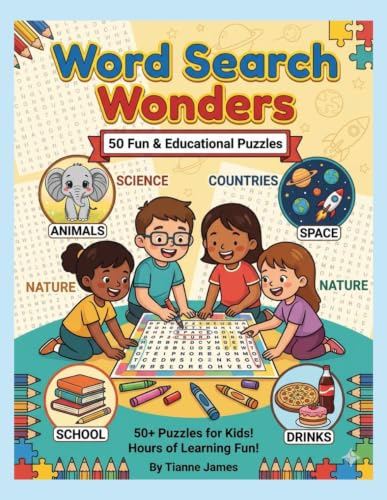
Integrating Word Searches into Everyday Learning
Word search puzzles present a unique and engaging method to enhance vocabulary and spelling skills among learners of all ages. By incorporating these puzzles into daily routines, educators and parents can transform mundane learning moments into opportunities for active engagement. One practical strategy is to include word searches in homeschooling activities, where parents can tailor the content to fit the specific vocabulary relevant to their curriculum. This customization allows for targeted learning while ensuring that vocabulary acquisition remains fun and interesting.
Furthermore, word searches can serve as effective classroom activities. Teachers can design word search puzzles that align with current subjects or themes in the classroom. For instance, a science-focused word search could include terminology related to the latest unit on ecosystems. This method not only reinforces the vocabulary but also provides a stimulating break from traditional learning formats, encouraging collaboration among students as they work together to solve the puzzles.
In addition to formal education settings, word searches can enhance family interactions during game nights. Parents and caregivers can introduce age-appropriate puzzles that encourage children to develop their spelling skills in a relaxed setting. Creating a friendly competition, where family members race against each other to find words, can significantly enhance motivation and engagement. Additionally, incorporating themed puzzles during holidays or special occasions can make learning more relevant and enjoyable.
Overall, integrating word search puzzles into everyday learning activities offers a versatile approach to vocabulary enhancement. By leveraging these puzzles as a consistent tool in homeschooling, classroom environments, and family activities, learners are more likely to develop their spelling and vocabulary skills while enjoying the process.
Measuring Improvement: Tracking Vocabulary and Spelling Growth
Evaluating a child’s progress in vocabulary and spelling is crucial after they have engaged in word search puzzles. Regularly measuring improvement not only helps in recognizing the benefits of such activities but also provides insights into areas that may require further attention. One effective method is to maintain a record of new words learned during each puzzle session. By creating a dedicated vocabulary log, children can document these words along with their meanings and contexts in which they are used. This practice promotes retention and serves as a reference for future use.
Another important aspect of measuring progress is spelling accuracy. After a child completes a word search activity, it can be beneficial to conduct spelling tests using the words they found. This reinforces their learning and helps identify any difficulties they may face with specific terms. Additionally, tracking improvements over time can involve comparing spelling test scores at different intervals, thus revealing trends and progress in their spelling abilities.
Apart from record-keeping, involving children in reinforcing new vocabulary during everyday conversations is vital. For example, parents and educators can encourage discussions that incorporate recently learned words, prompting children to use them in context. Engaging them in playful discussions or storytelling that relates to the words learned can significantly enhance their understanding and retention.
In conclusion, effectively measuring a child’s vocabulary and spelling growth necessitates a comprehensive approach that includes maintaining a vocabulary log, assessing spelling accuracy, and actively using new words in conversation. These practices not only validate the progress made through word search activities but also instill a lasting passion for language and literacy skills.